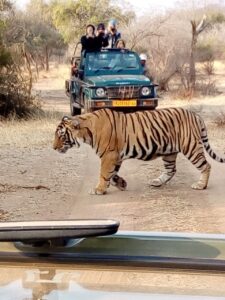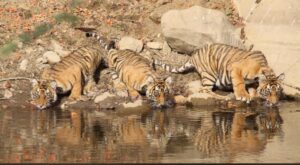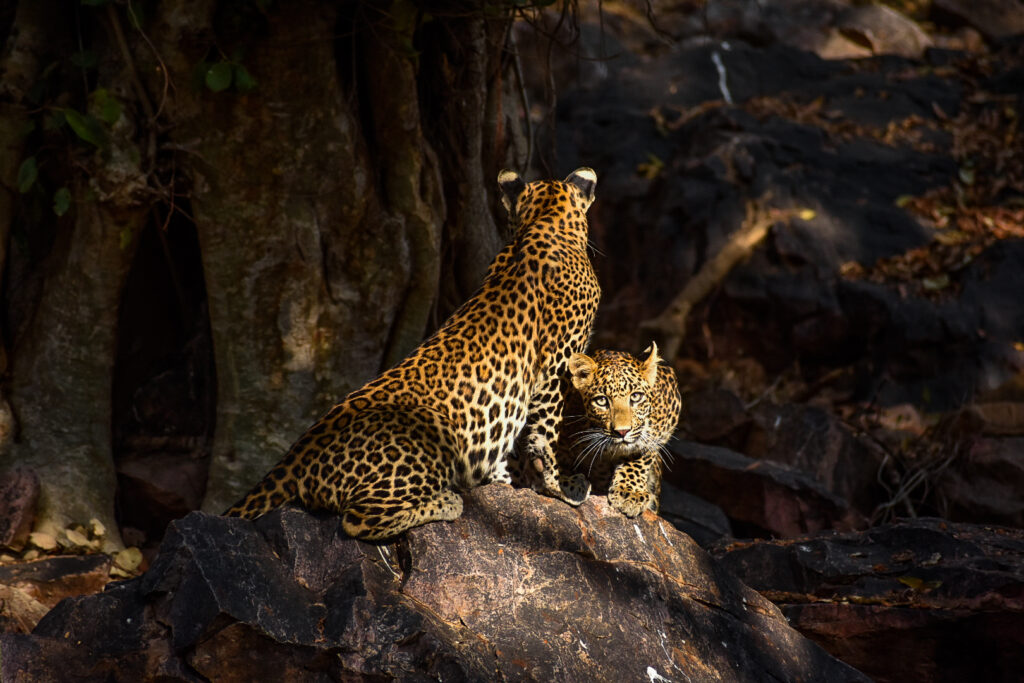
Ranthambore National Park is one of India’s most famous wildlife destinations, known for its Royal Bengal tigers and beautiful natural surroundings. It is located in the Sawai Madhopur district of southeastern Rajasthan. Once a royal hunting ground, it is now a protected sanctuary that attracts wildlife lovers, photographers, and tourists from around the world.
Geographic Location and Landscape of Ranthambore National Park
Ranthambore is best known for its tiger population, and it is considered one of the finest places in India to spot tigers in their natural habitat. Unlike dense jungles, the open terrain of Ranthambore increases the chances of sightings, even during daytime.
Apart from tigers, the park is home to:
- Leopards
- Sloth bears
- Indian wild boar
- Striped hyenas
- Nilgai and sambar deer
- Chital (spotted deer)
- Marsh crocodiles (mugger) found near lakes like Padam Talao
The park also boasts impressive birdlife, with over 300 species including crested serpent eagles, painted storks, kingfishers, owls and migratory birds during the winter season.
Safari Experience at Ranthambore
Wildlife safaris are the main attraction of Ranthambore National Park. Safaris are conducted twice daily—morning and afternoon—in designated zones to manage conservation and visitor impact.
There are two types of safari vehicles:
- Gypsy (6-seater open jeep) – Ideal for photography and a more personalized experience
- Canter (20-seater open bus) – Suitable for groups and budget travellers
Each zone has its own charm, with some zones known for tiger territories while others offer scenic lakes and bird watching opportunities.
Ranthambore Safari Booking: What You Need to Know
Due to high demand and limited seats Ranthambore safari booking should be done well in advance. Bookings can be made through official forest department portals or authorized travel agents. Visitors are required to provide valid identification details at the time of booking.
Key points to remember:
- Safari permits are issued on a first-come, first-served basis
- Entry zones are allocated randomly for advance bookings
- Peak season (October to March) fills up quickly
- Last-minute bookings are subject to availability
Planning your Ranthambore safari booking early ensures a smoother experience and better chances of securing your preferred safari type and date.
Best Time to Visit Ranthambore
The park is open from October to June, with the best wildlife sightings occurring between March and May, when animals frequently visit water bodies. Winters (November to February) are pleasant and ideal for bird watching, while summers, though hot offer higher chances of tiger sightings.
The park remains closed during the monsoon months (July to September) for conservation purposes.
How to Reach Ranthambore
- By Rail: Sawai Madhopur Railway Station is well connected to major cities like Delhi, Jaipur and Mumbai
- By Road: Approximately 180 km from Jaipur accessible via NH552
- By Air: Jaipur International Airport is the nearest airport.